
Projects
Selected Projects
Table of Contents
Convolutional SNN for Simulation of Visual Cortex Processing
Project Date: Spring 2024
Computational Neuroscience | PyTorch, PymoNNto, Kaggle, SNNs, STDP, R-STDP
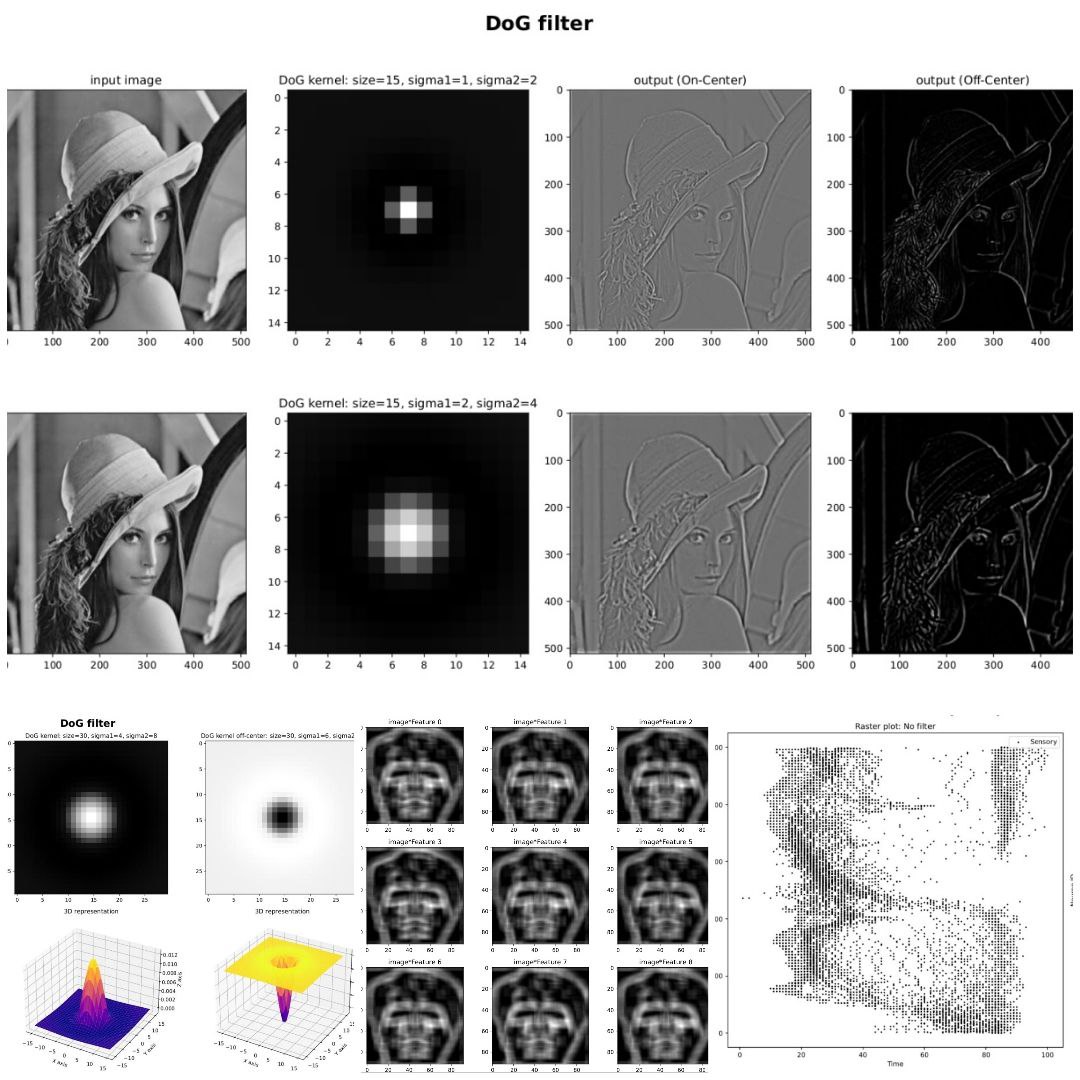
This project involved the development of a spiking convolutional neural network using the CoNeX framework to simulate the primary stages of visual processing in the human visual system. By employing Difference of Gaussian (DoG) and Gabor filters, the simulation mimics the response of the retina and V1 cortex to visual stimuli. These filters enhance edge detection and contrast extraction, enabling the model to identify key visual features like edges and orientations. Filter parameters were optimized to align the simulated outputs with biological models, providing a more accurate representation of visual cortex processing.
Neural Mechanisms for Pattern Recognition
Project Date: Spring 2024
Computational Neuroscience | Python, PymoNNto, Neuronal Dynamics, Waterloo Dataset, STDP, R-STDP
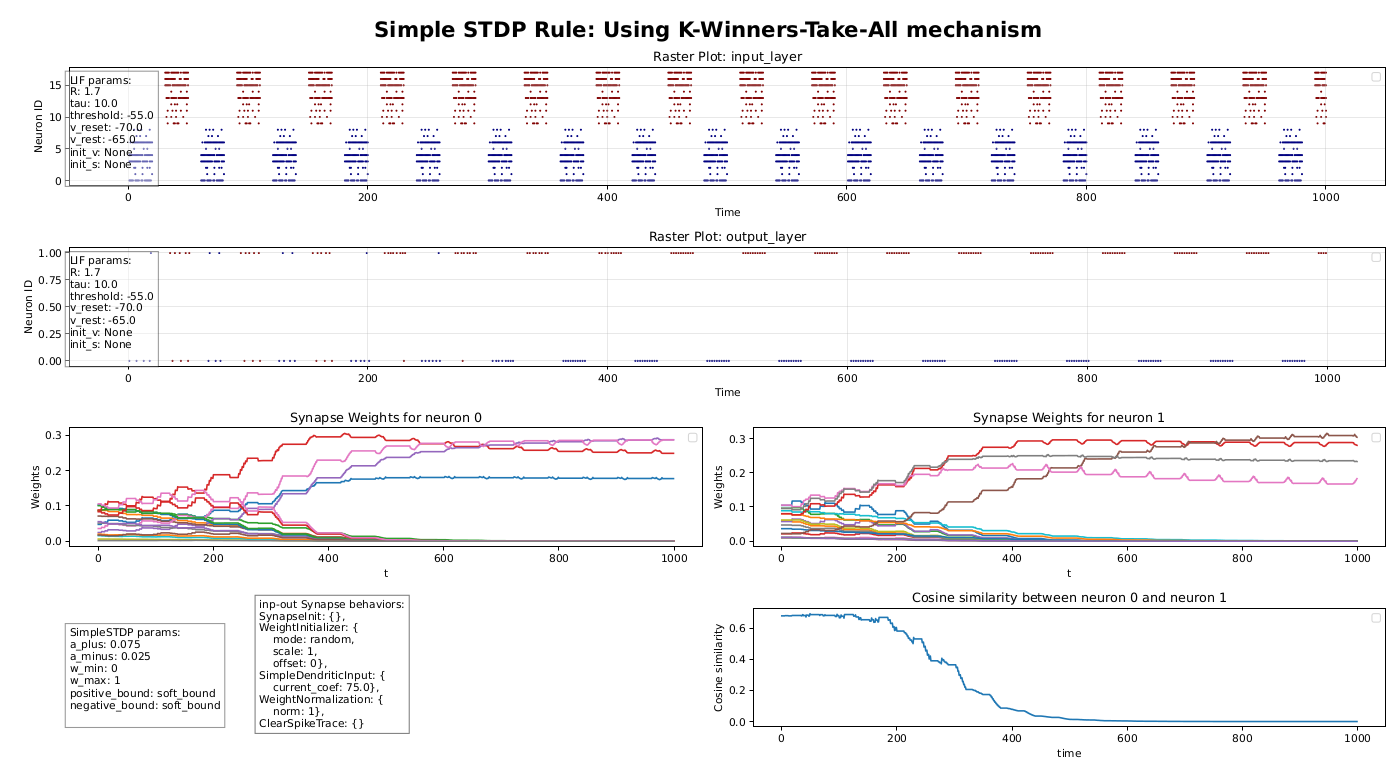
This project focused on simulating neuron dynamics, including LIF, ELIF, and AELIF models, and applying STDP and R-STDP learning rules for training. Additionally, various neural mechanisms such as Lateral Inhibition, K-Winners-Take-All, and Homeostasis were developed to enhance pattern recognition capabilities in spiking neural networks. Images were encoded as spike-trains, with optimized network parameters to achieve realistic neural responses, making the simulation closer to biological processes.
Neural Coding and Learning Rules(STDP and R-STDP)
Project Date: Spring 2024
Simulating neural network behavior through coding and unsupervised learning methods.
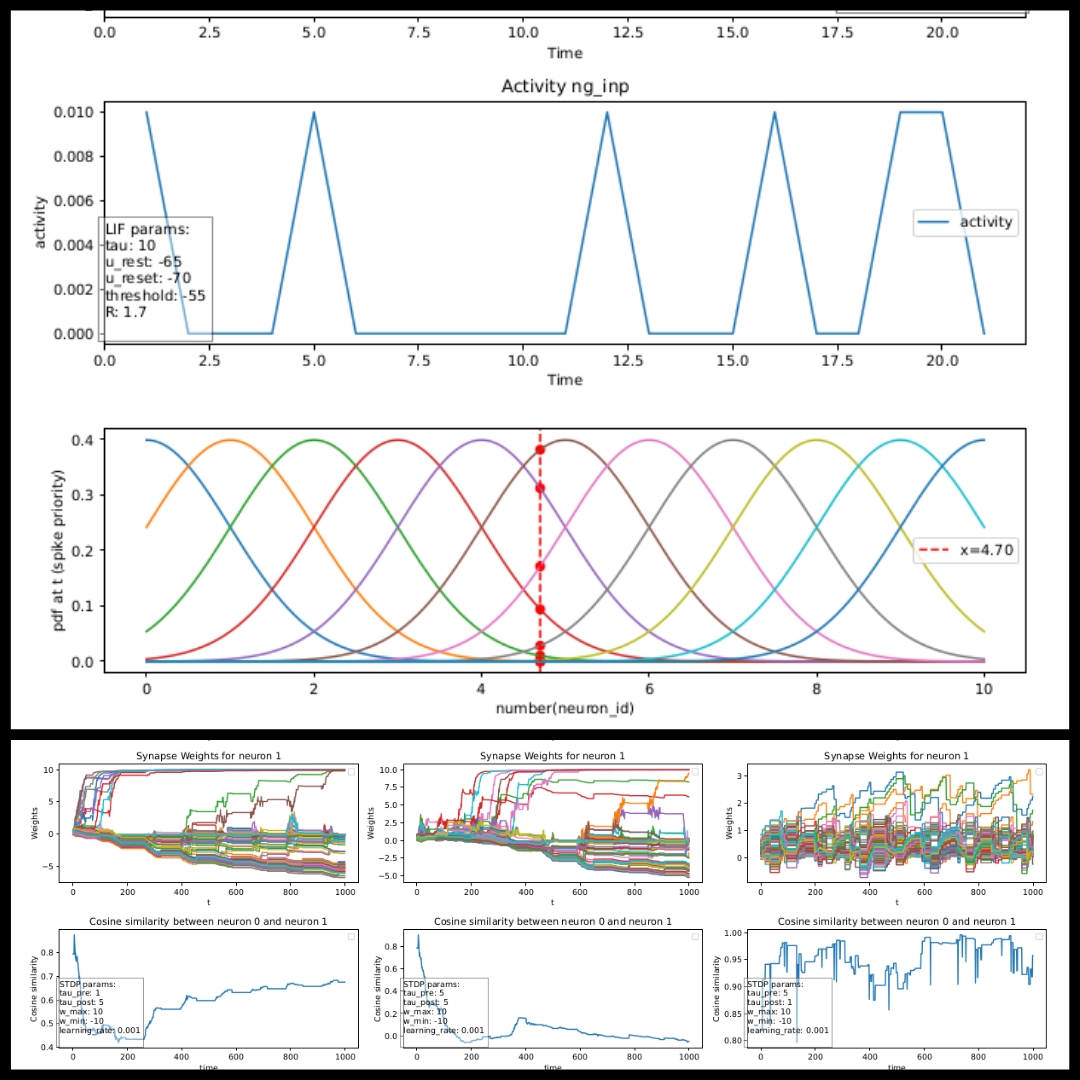
This project delves into computational neuroscience by implementing various neural coding techniques, including Time-to-First-Spike and Poisson distribution-based methods. Different coding strategies were applied to input stimuli, assuming certain temporal presence for effective analysis and visualization through raster plots. Additionally, unsupervised learning laws like Hebbian learning and simplified versions of STDP and R-STDP were implemented. The spiking neural network model included distinct neuron layers, with dynamic connectivity supporting real-time analysis of weight changes and cosine similarity across synapses during the training process. This project aimed to foster a deeper understanding of neuron activity through direct coding, comprehensive analysis of weight adjustments, and evaluation of learning efficacy under varying parameters. Input stimuli involved high-contrast images to stimulate the neural network, and multiple experimental configurations were tested to optimize and analyze the model's behavior.
Dynamics of Neural Population and Synaptic Modeling
Project Date: 2023-2024
A detailed exploration into synaptic mechanisms and neural population dynamics in response to various stimuli.
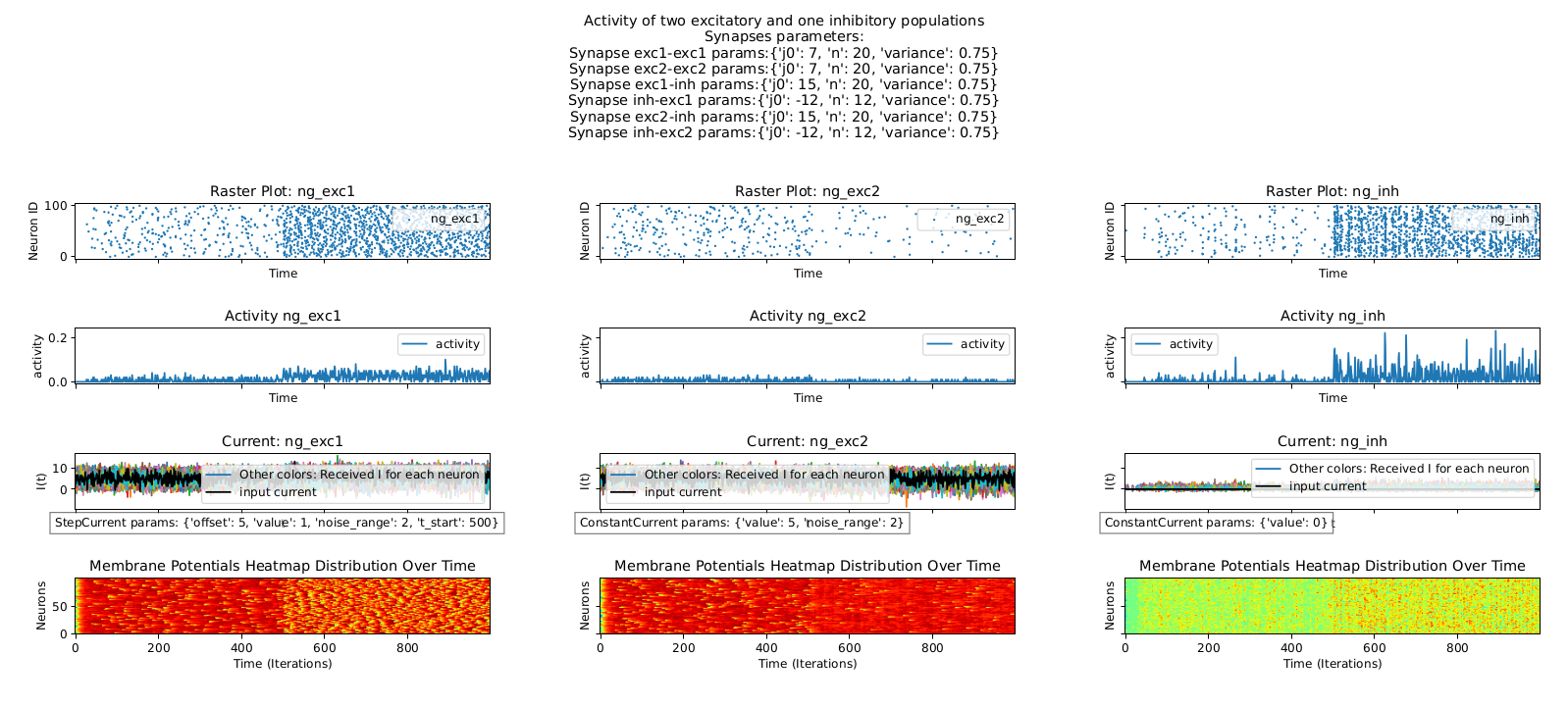
This project involves simulating and analyzing different synaptic response types, incorporating Dirac delta functions to model synaptic mechanisms. It explores the decision-making processes in neural populations when exposed to varying stimuli, modeling excitatory and inhibitory neuron populations under distinct configurations. Key tasks include implementing communication mechanisms between neurons, testing for noise sensitivity, and examining the dynamic behavior of neuron groups. Analytical tools, such as raster plots, are used to visualize neuron activity over time, while experiments across parameter sets provide insights into network connectivity and neural behavior under diverse conditions.
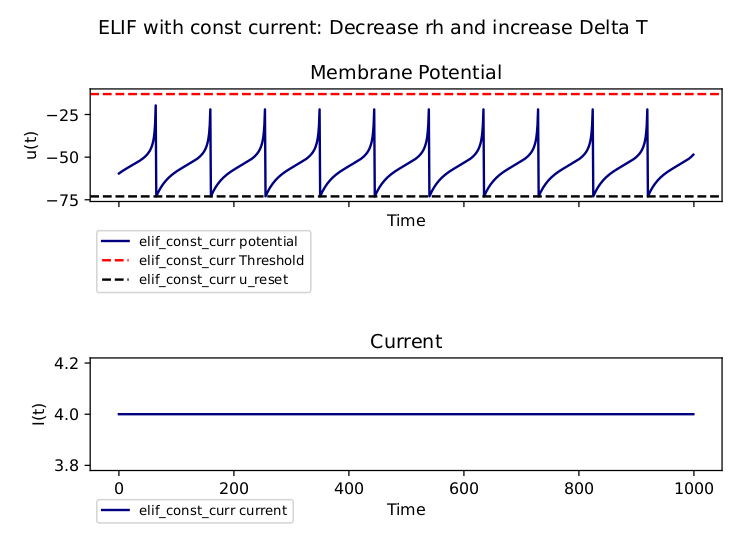
Dynamics of Neurons Modeling: LIF, ELIF, AELIF
Project Date: 1402-1403
Implemented models to simulate neural dynamics with an emphasis on understanding neuron behavior.
This project involved developing models of neuron behavior using various leaky integrate-and-fire (LIF) models, including the exponential leaky integrate-and-fire (ELIF) and the adaptive exponential leaky integrate-and-fire (AELIF). The models were simulated using the Euler method to evaluate the membrane potential changes over time, analyzing responses to diverse stimuli, such as step and sinusoidal currents. Additionally, the project included creating current-frequency (F-I) curves to analyze neural response characteristics under varying input strengths. We also experimented with adding noise to simulate realistic neural responses, and refractory processes were incorporated to introduce realistic behavior of neurons during stimulation intervals. Parameter sensitivity analyses were conducted to understand the effects of different parameters on neuron models, providing insight into the dynamic properties of neuron simulations.
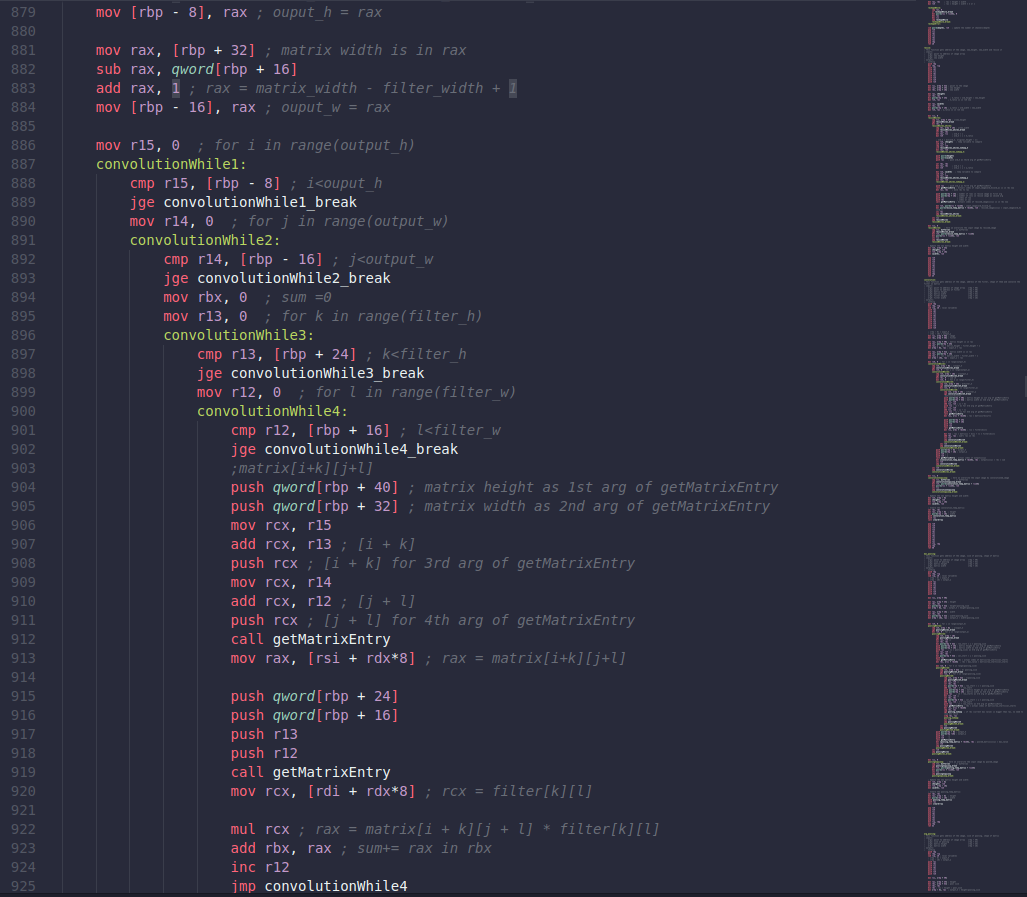
Image Processor in Assembly
Project Date: 2022
Developed an image processing tool in Assembly, capable of handling various transformations.
Created an assembly-based image processor that performs reshaping, resizing, and applying filters on input images. Integrated Python for loading and processing images as matrices.

Compiler: FunctionCraft Language Implementation
Project Date: 2023
Designed a custom functional programming language using ANTLR.
Implemented grammar and parsing rules for a functional language, handling functions, loops, and conditionals. Developed a type inference system and integrated the Visitor pattern for semantic analysis.
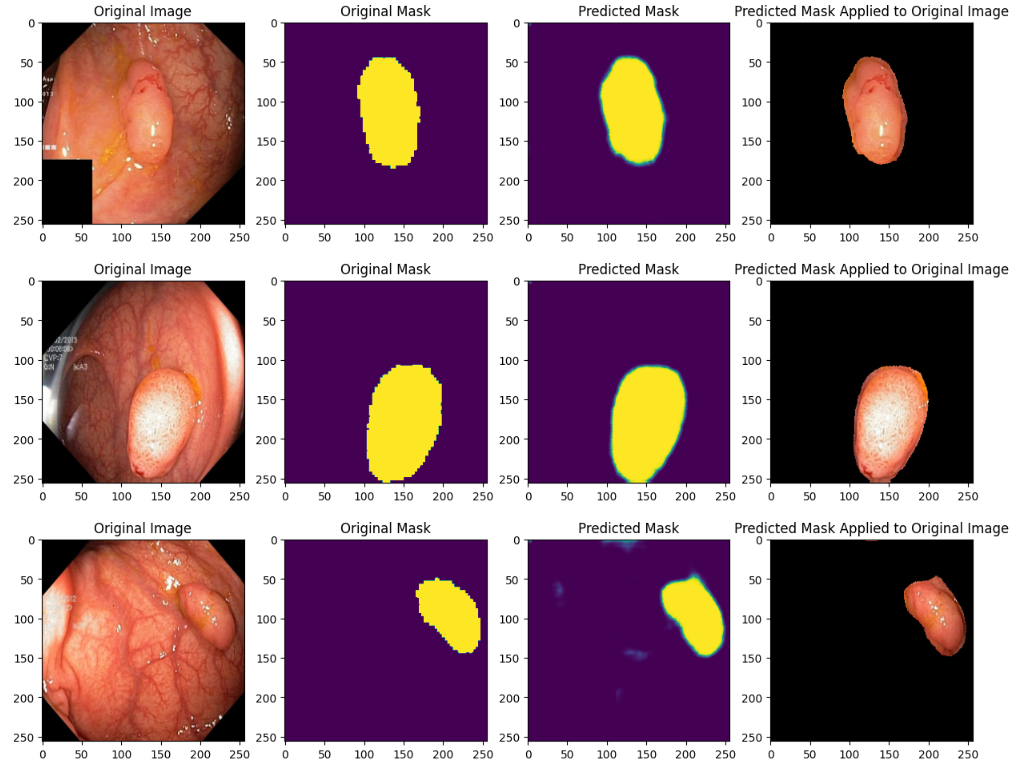
Segmentation on Kvasir-SEG
Project Date: 2023
Developed a U-Net based model for image segmentation.
Created a model for gastrointestinal tract image segmentation using U-Net, achieving high accuracy. Applied data augmentation techniques to improve model performance and optimized training over 50 epochs.
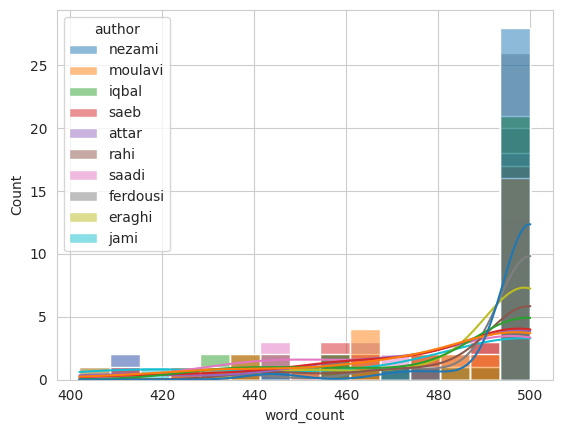
Author Identification in Persian Poems
Project Date: 2023
Machine learning model for author classification in Persian literature.
Created a dataset of Persian poets and implemented a BERT-based model for NLP tasks. Achieved 98.2% training accuracy and 67.01% validation accuracy.

Biometric Recognition System
Project Date: 2023
Facial and fingerprint recognition using PCA and CNNs.
Developed a biometric recognition system with 87% accuracy in both facial and fingerprint recognition using PCA and CNN techniques.

Employee Management System
Project Date: 2023
Engineered a robust backend architecture for a Human Resource Management System (HRMS).
Designed backend features such as employee record management, department mapping with geospatial data, and custom authentication using Django and Docker.
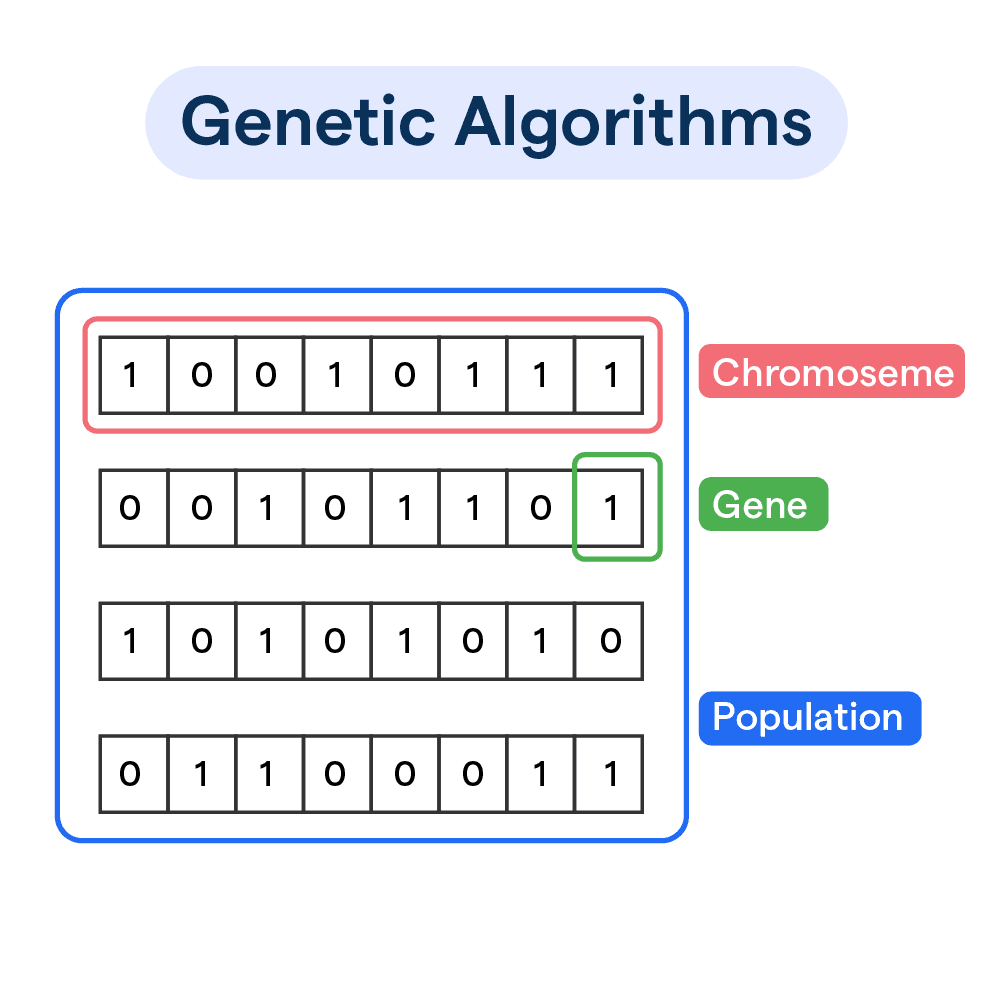
Bio-inspired Optimization Algorithms
Project Date: 2022
Developed Genetic Algorithm, Ant-Colony Optimization, and Particle Swarm Optimization algorithms.
Implemented optimization algorithms to solve complex problems like the n-Queens problem, Set Covering Problem, and the Travelling Salesman Problem.
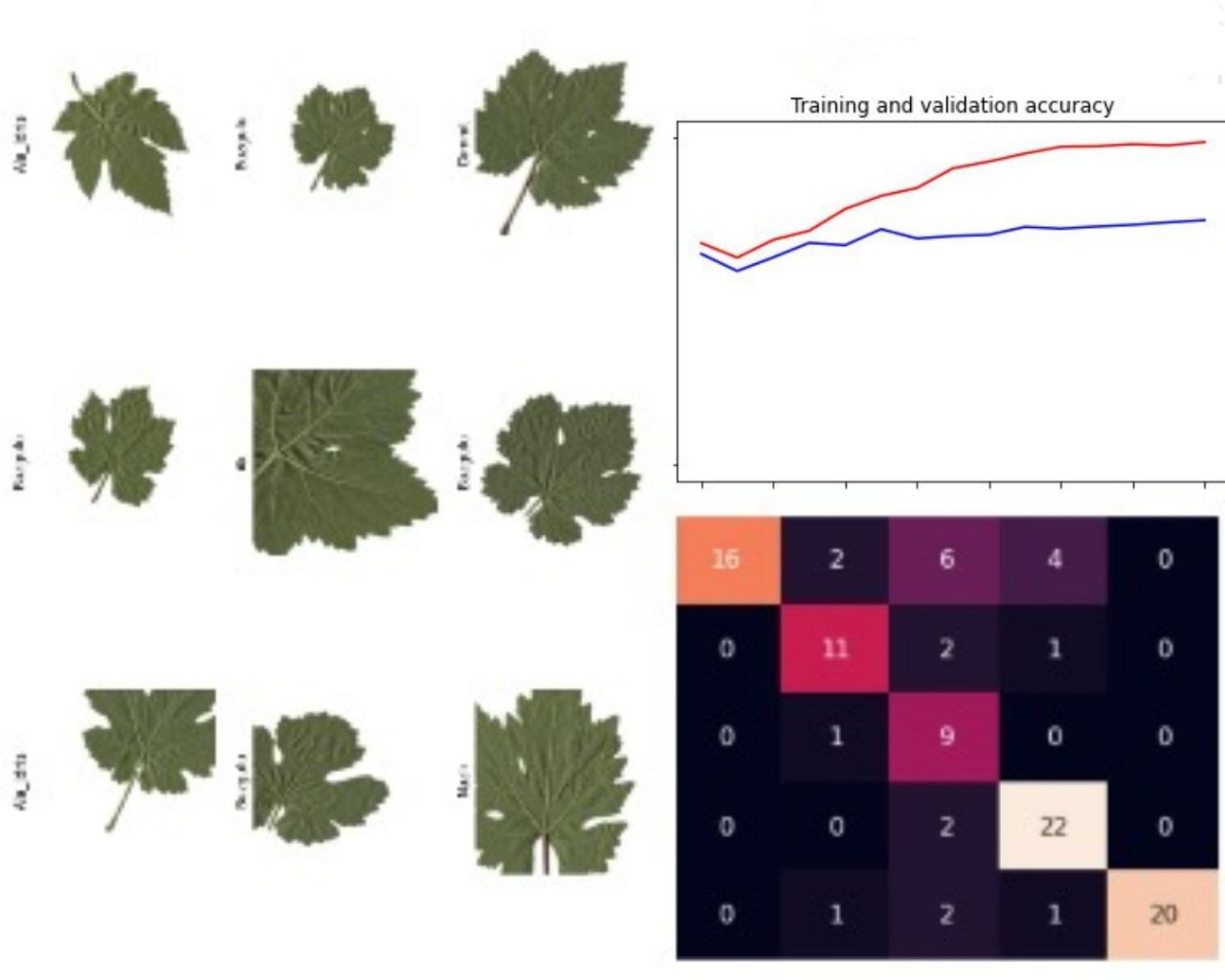
Grapevine Leaves Classification
Project Date: 2022
Developed a CNN-SVM hybrid model for classifying grapevine leaves, achieving 92% accuracy.
Processed data using Python libraries like Keras, OpenCV, and Scikit-learn to optimize classification tasks in viticulture.

Morris Mano Basic Computer Implementation
Project Date: 2022
Designed and implemented the Morris Mano Basic Computer architecture in Logisim.
Simulated the instruction cycle, including Fetch, Decode, and Execute phases, modeling components such as the Control Unit and ALU.
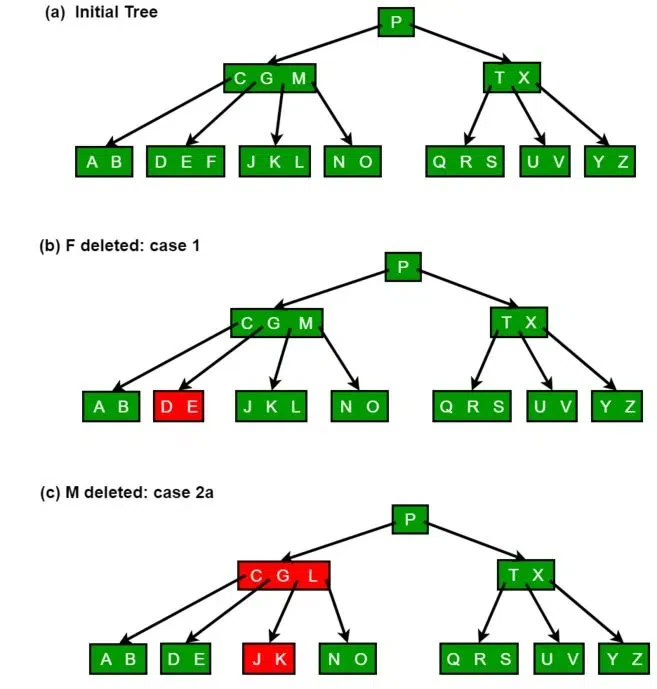
B-Tree Data Structure
Project Date: 2022
Designed a custom database system using B-Trees, optimizing time complexity of operations to O(log n).
Developed core functionalities like SELECT, INSERT, and DELETE, ensuring robust data manipulation across multiple tables.
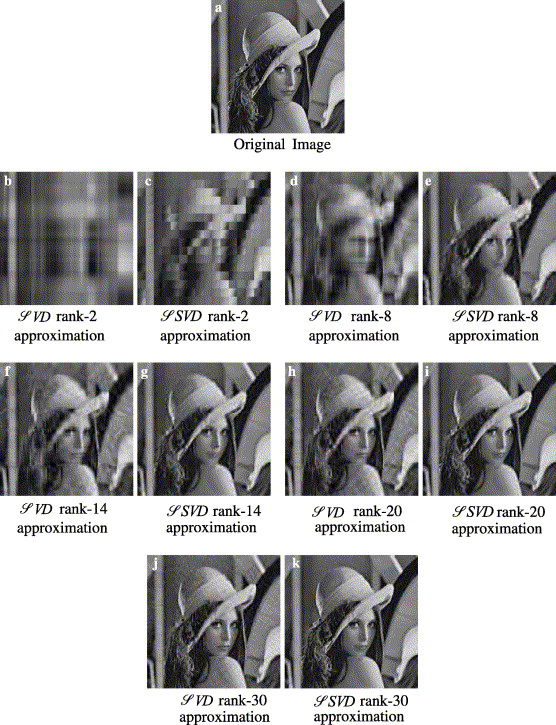
Image Compression using SVD
Project Date: 2022
Implemented Singular Value Decomposition (SVD) for image compression, reducing image size by up to 70%.
Balanced file size reduction and image fidelity by optimizing the selection of singular values during compression.
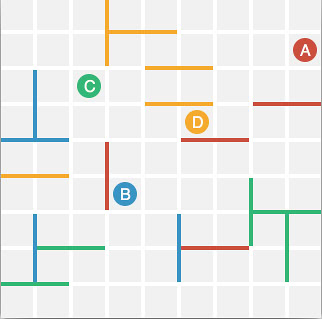
Corridor Game
Project Date: 2022
Developed a strategic multiplayer board game with client-server architecture.
Implemented server-side logic to manage game state and player interactions, optimizing for modular design using Object-Oriented Programming.

Student Course Management System
Project Date: 2022
Developed an online platform for student and course management using Django and PostgreSQL.
Enabled secure user registration, course enrollment, and content management with a user-friendly interface.